A Kruger safari sounds like a once-in-a-lifetime splurge, but for most travelers the biggest cost isn’t the park — it’s where you sleep. Lodges inside or right beside the park charge a premium, while the right gateway town can cut that bill dramatically. The catch is knowing which areas to stay near Kruger actually deliver on price without adding hours to your daily drive.
This guide breaks down the main budget bases around the park, from busy Hazyview to the quiet northern hubs of Phalaborwa and Hoedspruit, plus fence-line Marloth Park. You’ll see what each area costs, how far it is from the gate, and which type of traveler it suits. We’ll also cover when to book for the cheapest rates and how to spot a genuinely good budget lodge before you pay a deposit.
Why Your Base Area Determines Your Kruger Lodge Budget
The single biggest lever on your Kruger lodge budget is distance from the gate. Lodges inside the park or on its immediate boundary pay for that location, and their rates reflect it. Gateway towns that sit 15–60 minutes from a gate offer a similar bush feel at a fraction of the price, because they compete on value rather than on having a fence shared with buffalo.
Self-driving is the real savings
Staying outside the park also changes how you game view. Instead of paying for guided game drives twice a day, you can rent a car, enter the gate yourself and spend the whole day inside on your own schedule. Kruger’s road network is well maintained and signposted, which makes self-driving one of the most affordable ways to see the park. Even a few guided drives as occasional add-ons cost far less than a fully hosted lodge package.
Location within the gateway belt matters too. Hazyview, close to Kruger Gate, is the most popular base and prices accordingly. Quieter areas near gates like Phalaborwa and Orpen typically charge less for similar accommodation, simply because demand is lower. If your priority is a cheap bed and early gate access rather than a famous name, the northern and eastern gateways deserve a close look.
Hazyview: The Busiest Budget Hub
Hazyview is the workhorse of the southern Kruger gateway towns, sitting about 45–60 minutes from Kruger Gate. That drive is manageable, and in return you get the widest choice of budget lodges, guesthouses and self-catering chalets of any base around the park. Competition between properties keeps prices honest, and last-minute availability is easier to find here than almost anywhere else.
What your money gets
A realistic budget is R600–R1,200 per night for a basic lodge room or self-catering chalet for two. At the lower end expect simple rooms with a shared pool and a kitchenette; at the upper end you’ll find private chalets with braai facilities and a bit of garden. Booking direct with smaller guesthouses often beats online platform rates, so it pays to compare both.
Hazyview’s other advantage is position. It sits at the crossroads of the Panorama Route, so you can pair a day in Kruger with Blyde River Canyon, waterfalls and viewpoint drives without changing hotels. The trade-off is popularity: at dawn, the queue at Kruger Gate can be long, because half the town had the same idea. Either arrive very early or accept that the first hour is spent in line.
Marloth Park: Sleep Next to the Fence Line
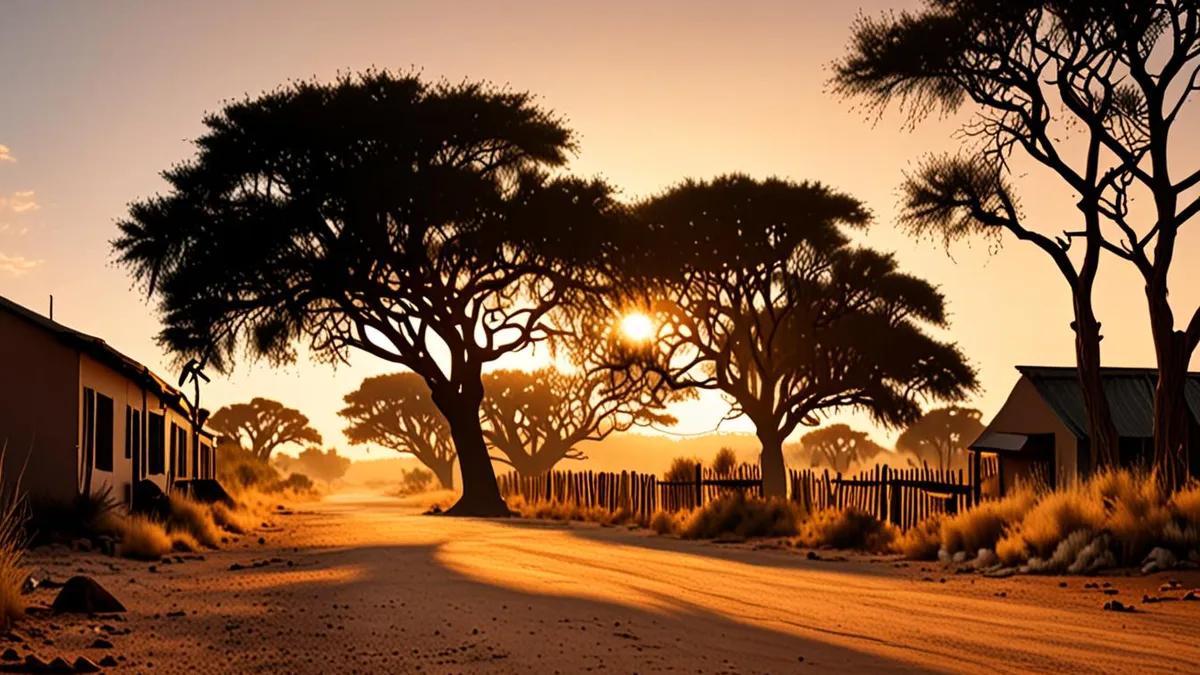
Marloth Park is a wildlife estate that borders the park near Crocodile Bridge, roughly 15–30 minutes from that gate. It’s one of the few places where budget travelers get a genuine bush experience: warthogs, impala, kudu and other animals wander freely between the properties, so you can watch game from your stoep with a coffee in hand before you’ve even entered the park. For many visitors, this daily contact with wildlife is the highlight of the stay, and it costs nothing extra. Accommodation is mostly self-catering bush houses rather than hotel-style rooms, and rates often fall in the R600–R1,200 range for a whole house rather than a single room. That makes it excellent value for families or groups of friends traveling together, since splitting a house between four people can bring the per-person cost down dramatically compared to booking separate lodge rooms.
This area works best for self-drivers who want flexibility on their own schedule. Crocodile Bridge is one of the park’s quieter entrances, and the surrounding roads give quick access to the southern game-rich regions, so you can be scanning for animals shortly after leaving your bush house. What Marloth doesn’t have is much in the way of shops, restaurants or services, so plan your supplies carefully before you arrive. Mobile signal and power can also be patchy in places, worth confirming with your host if you need to stay connected.
Phalaborwa and Hoedspruit: Quieter Northern Bases
Most travelers heading to Kruger default to the southern hubs, which is exactly why the northern bases deserve a closer look. If your priority is a cheap lodge and a quick, stress-free entry into the park, Phalaborwa and Hoedspruit both deliver a calmer experience than Hazyview or the Crocodile Bridge side.
Phalaborwa: The Closest Gate Town
Phalaborwa sits roughly 10–20 minutes from its namesake gate, making it one of the shortest commutes you will find anywhere around the park. Because it is a working mining town rather than a tourism hotspot, lodge and guesthouse prices tend to stay reasonable, and you will not battle the dawn crowds that pile up at the southern gates. It is a practical, no-frills base with supermarkets and fuel stations close at hand, so stocking up before a day in the park is easy.
Hoedspruit: A Growing Budget Scene
Hoedspruit is a longer drive from Orpen Gate, so plan your mornings accordingly, but the town has developed a genuinely growing budget lodge scene. Self-catering options are plentiful, from simple chalets to small bush cottages, and the town itself has enough restaurants and shops to make longer stays comfortable. Check the current drive time to Orpen Gate with your accommodation before booking, as it varies with your starting point in town.
The trade-off is wildlife density. The southern sections of Kruger traditionally carry denser game concentrations, especially along the rivers. Northern gates suit travelers who value shorter queues and a quieter drive over maximizing sightings per kilometer. If you are happy to work a little harder for your sightings, the savings and the peaceful entries are well worth it.
When to Book for the Cheapest Lodge Rates
Timing your booking matters almost as much as choosing the right town. Lodge rates around Kruger swing noticeably with the seasons, and the same room can cost far more during the December holidays than in the middle of the dry season. A simple booking plan can save you thousands of rand over a week-long stay, and it costs nothing except a little planning ahead.
- Aim for the May–September dry season. This period delivers the best game viewing, since animals gather at water sources and the thinned-out bush makes spotting easier. It also typically comes with lower lodge rates than the December holidays, so you get the best of both worlds.
- Book 3–6 months ahead. The cheapest dry-season prices go to early bookers. Waiting until a few weeks before travel usually means paying top rates or settling for whatever rooms are left, often in less convenient locations farther from your chosen gate.
- Consider the shoulder months of May and September. These bookend the dry season, and rates tend to be lower than in the core winter weeks. Game viewing remains strong, and you share the park and the roads with fewer visitors than in June through August.
One extra tip: midweek stays are typically cheaper than weekends in these gateway towns, so shifting your dates by a day or two can stretch your budget further. That matters even more if you are traveling as a family and need two rooms instead of one. Check rates across several booking platforms and directly with lodges, as prices for the same room can differ noticeably between them. Some lodges also offer better cancellation terms when you book direct, which gives you flexibility if your travel dates change.
How to Spot a Genuinely Good Budget Lodge
Budget listings around Kruger can look identical on the surface, but the difference between a great value lodge and a disappointing one usually shows up in the details. Photos can flatter, and descriptions often gloss over the practical realities of staying in a bush setting. Before you pay a deposit, work through a short checklist. A little verification here protects both your money and your safari experience.
The biggest single saving comes from how you eat. A self-catering kitchen can cut your food costs by 30–50% compared with full-board stays, since restaurant meals and guided-dinner packages add up fast over a week. A lodge with a decent kitchen, a fridge and nearby shops turns into a genuinely affordable base for two people.
- Ask about gate-transfer and guided-drive add-ons. Some lodges offer these as extras. Compare their prices with the cost of renting a car and self-driving, because the add-on is not always the cheaper route, especially for longer stays.
- Check recent reviews for power and Wi-Fi reliability. These vary widely in bush settings, and load shedding can affect some properties more than others. Reading what to expect from power, Wi-Fi and bugs at jungle lodges before you commit can save you real frustration.
- Confirm the exact drive time to your chosen gate. Listings that say “near Kruger” can mean anything from 15 minutes to over an hour. Use a map app to verify the actual route and travel time to the specific gate you plan to enter, then factor that into your dawn departure plans.
Finally, message the lodge directly with any questions before booking. How quickly and clearly they respond is often a good indicator of how well the property is run, and it gives you a chance to confirm details that listings leave out, from kitchen equipment to whether the pool is actually usable in the dry season.
Wrapping Up Your Kruger Base Choice
A Kruger safari only feels out of reach when you price accommodation right at the park’s doorstep. Pick the right gateway town instead, and the same bush experience costs a fraction. Hazyview, Marloth Park, Phalaborwa and Hoedspruit each trade convenience, price and crowds differently, so the best choice depends on whether you prioritize short gate queues, self-drive freedom or easy access to the Panorama Route.
The numbers back this up: R600–R1,200 per night is realistic outside the park, especially in the May–September dry season when rates dip and game viewing peaks. Booking 3–6 months ahead and choosing a self-catering place keeps your Kruger safari firmly in budget. If this helped you plan your trip, leave a comment or share the article with a fellow traveler.