Most travelers assume the glamping vs camping debate has an obvious winner: camping, because a tent site is cheap. But that math breaks down fast. A basic tent site may look like a bargain, yet the gear you need to sleep in it can cost more than a night in a furnished safari tent. On the flip side, glamping sites run deals in the shoulder season that bring the nightly rate surprisingly close to what you’d spend outfitting yourself.
This article breaks down what each style actually costs, starting with a per-night price comparison, then the hidden gear expenses of traditional camping and what glamping includes for its higher rate. We’ll also compare the comfort and experience of each, share timing strategies to pay less, help you match the option to your trip and budget, and wrap up with a clear bottom line on glamping vs camping costs.
Glamping vs Camping: The Price Breakdown Per Night
On paper, the price gap looks enormous. A basic tent site at an established campground typically runs $15-$50 per night, while glamping typically costs $100-$400 per night depending on the unit type and location. That’s a difference of anywhere from double to ten times the price, which is why so many travelers assume camping wins before doing any further math.
How glamping rates scale with the unit
Glamping isn’t one price point, though. At the lower end, a simple bell tent with a real bed and a shared bathhouse often sits near the bottom of that range. Yurts and cabins with heating and electricity move into the middle. At the top, luxury safari tents with private bathrooms, full kitchens and furnished decks can push rates toward or past the $400 mark, especially in scenic or high-demand areas.
The family math changes everything
Here’s where the gap narrows. Family tent campsites often fit up to 6 people for that single nightly rate, so a $40 site split six ways works out to under $7 per person. Glamping units usually sleep 2-4 people, so a larger family often needs two units, doubling the cost. For a family of four, though, one $200 glamping night comes to $50 per person, which starts to look reasonable next to a campsite plus the gear you’d have to buy or bring.
The Hidden Gear Costs of Traditional Camping
If you’ve never camped before, the nightly rate is only part of the bill. Before your first trip, you’ll need a starter kit: a tent, sleeping bags, a stove and a cooler at minimum. That’s before smaller extras like headlamps, cookware, an ice pack or a camp table, which quietly add up on your first shopping trip. For travelers who only camp once, this upfront spend is exactly why glamping can make more sense.
Why gear costs shrink with every trip
The good news is that this kit is a one-time purchase, not a per-night fee. Spread it across several trips and the math flips quickly. After a couple of outings, the gear cost per trip drops noticeably, and by trip five it’s a small fraction of what you originally spent. From trip two onward, camping is usually the cheaper option per night, because you’re only paying the site fee plus food and fuel.
The ongoing costs people forget
Gear doesn’t last forever. Tents develop leaks, sleeping bag insulation loses loft, and coolers crack, so expect occasional replacement purchases every few years. Air mattresses and stove parts are common casualties too. Beyond gear, campsite extras add up: firewood bundles, ice runs, shower fees at some campgrounds and dump fees for RVs. None of these are large individually, but budgeting a modest amount for extras per trip keeps your real cost honest. Even with these, the long-term per-trip cost of camping stays well below glamping for anyone who goes several times a year.
What Glamping Actually Includes for the Price
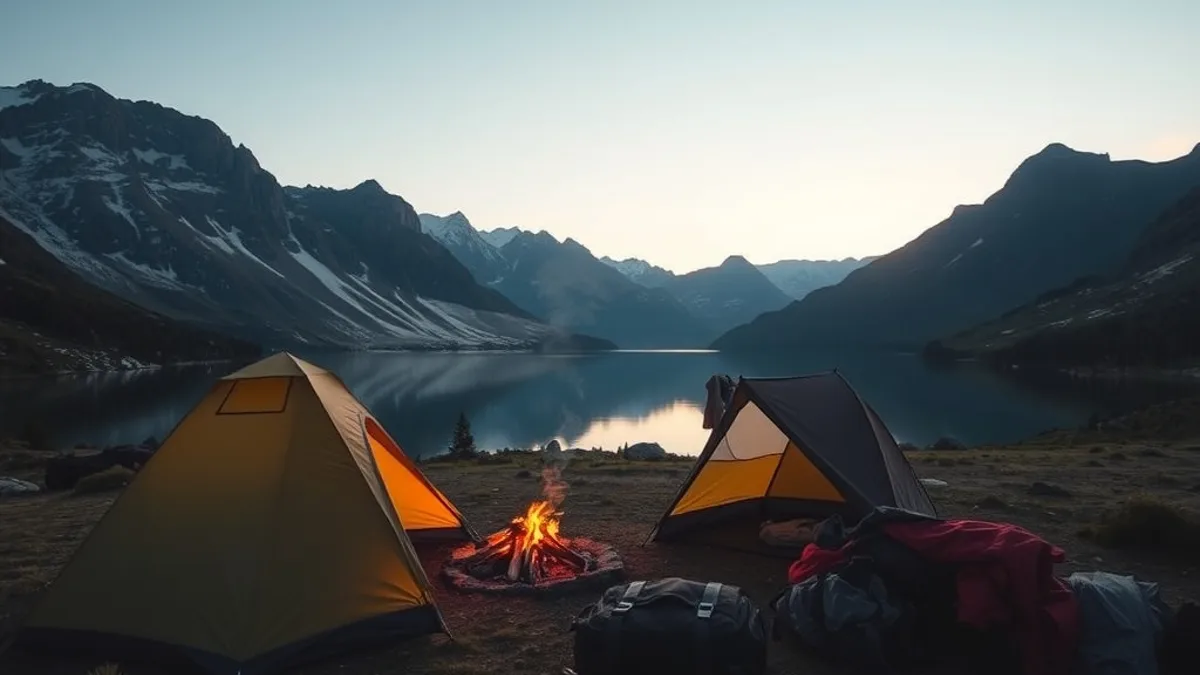
The main reason glamping commands a premium per night is that you’re paying for a fully set-up accommodation. When you arrive, the unit is already assembled, furnished and cleaned. Typically included are real beds with linens, lighting, some form of heating, and often a private bathroom, either attached or a short walk away in a dedicated facility. Many sites also provide towels, basic kitchen equipment and a fire pit with seating.
For first-timers, this is the real value: glamping requires little to no gear, since bedding, furniture and lighting are provided. If you’d otherwise buy a starter kit for a single camping trip, a glamping night suddenly looks less expensive than the raw rate suggests. You also skip the packing, the setup and the takedown, which is where a lot of camping stress lives.
Common glamping unit types
- Bell tents — round canvas tents, usually the most affordable option, often with a queen bed and shared bathhouse access.
- Yurts — circular, hard-walled structures with more headroom, solid flooring and better insulation against wind and cold.
- Safari tents — large canvas units on platforms, frequently with private bathrooms, kitchens and furnished decks at the top of the price range.
- Cabins and tiny homes — solid-walled options with electricity and full plumbing, ideal if you want a roof over your head in rainy weather.
Before booking, check what’s actually inside the rate. Ask whether linens and towels are provided, whether heating or air conditioning is included or costs extra, how far the bathroom is if there isn’t a private one, and what the unit’s real sleeping capacity is. Most glamping units sleep 2-4 people, and some listings count a futon or bunk as sleeping space, which matters if you’re traveling with kids. Also confirm check-in details and whether the site has cell coverage, since many glamping properties sit in remote areas.
Comfort and Experience: What to Expect at Each
The classic camping experience
Traditional camping is a hands-on affair. You arrive at your site with everything you own for the weekend, pick a flat patch of ground, and spend the first hour or two wrestling with tent poles, inflating sleeping pads and figuring out where the cooler goes. Once camp is set, the rhythm shifts: meals happen over a campfire or a small stove, evenings revolve around the fire ring, and the day ends when the fire does.
That hands-on quality is part of the appeal, but it comes with real trade-offs. You are exposed to whatever the weather does, whether that is an overnight downpour, a surprise wind gust or a sudden temperature drop. Insects are a given in most seasons, and a thin tent wall means you hear every neighbor, every dog and every passing car. Bathroom access usually means a shared bathhouse that may be a short walk away, or a vault toilet with none of the comforts of home.
The glamping experience
Glamping flips the setup equation entirely. You pull up to a tent, cabin or dome that is already furnished, with a real bed made up with actual linens, lighting that works at the flip of a switch and often heating for chilly nights. Many properties include a private or semi-private bathroom, which alone changes the character of the trip. You still get the nature views, the starry sky and the morning birdsong, but without the sore back or the damp sleeping bag.
Privacy and noise differ more than most travelers expect. A private glamping unit, often spaced well apart from others, can feel far more secluded than a tent campsite where neighbors sit ten feet away. Campgrounds, on the other hand, offer a social atmosphere some people love and others tolerate. If quiet matters to you, glamping usually wins; if campfire camaraderie matters, camping does.
When to Book and How to Pay Less
Timing your booking matters as much as choosing between a tent and a furnished safari tent. The same summer weekends that fill campgrounds also fill glamping properties, and the best units at popular sites are often gone long before the school holidays start. Peak season runs roughly June through August in most temperate regions, which means demand is concentrated into a short window and prices reflect that. A little planning, and a little flexibility about when you travel, can shrink the price gap between the two styles considerably. The good news is that none of these tactics require insider knowledge or special connections; they simply require you to think about your dates before you click book. Travelers who treat their booking date as seriously as their destination often end up paying noticeably less for the same unit, the same view and the same amenities as someone who booked late and paid full price.
- Book summer weekends early. For peak season trips, aim to reserve 2-6 months ahead, whether you are booking a basic campsite or a glamping tent. Popular locations release their calendars months in advance, and the most desirable units, like those with the best views or private bathrooms, tend to disappear first. If you know your travel window, put a reminder in your calendar for the day reservations open.
- Shift your trip to shoulder season. Traveling in May or September instead of the height of summer can cut glamping rates by 20-40% at many properties. The weather is often still pleasant, the crowds are thinner and the experience is largely the same. Campgrounds also quiet down in these months, so you get more space and privacy for less money.
- Look for midweek discounts. Many glamping properties price weeknights noticeably lower than weekends, and some run explicit midweek deals. If your schedule allows a Monday-to-Wednesday trip, ask about weekday rates before you book. Weeknights also mean quieter sites, easier access to shared facilities and less competition for the best spots.
- Hunt for off-season offers. Outside the busy months, glamping operators frequently run promotions to keep units occupied, from discounted multi-night stays to seasonal packages. Check the property’s own website or sign up for its newsletter to catch these deals early. Social media accounts often announce flash sales too, so a quick follow can pay off.
One practical habit ties all of this together: check prices at a few different dates before committing. Moving a trip by a single week can sometimes change the rate noticeably, and comparing a midweek shoulder-season stay against a peak Saturday night often reveals a difference big enough to fund an extra night or a nicer unit. It also helps to set a rough budget before you start browsing, so you can recognize a genuine deal when one appears. Finally, if your dates are flexible, tell the property; some operators will suggest cheaper windows or hold a unit for you while you decide. A short email or phone call costs nothing and can uncover options that never show up on booking platforms.
Which One Fits Your Trip and Budget
The cheapest option depends less on the nightly rate and more on how often you travel and what you already own. Camping looks unbeatable on paper, but that low nightly figure assumes you have the equipment, and a starter kit of tent, sleeping bags, stove and cooler is a real upfront investment. Glamping looks expensive by comparison, yet it demands almost nothing from your garage, your trunk or your schedule.
The break-even logic is simple and worth running before you book anything: a single night in a mid-range glamping tent can cost more than an entire starter camping kit. If you plan to camp several times a year, that kit pays for itself quickly and every trip after that costs close to the campsite fee alone. If you camp once every couple of years, buying gear for one weekend rarely makes sense.
- Frequent travelers: if you head out several times a season, camping wins on long-term cost. After the second or third trip, your gear has amortized and your per-night spending drops to little more than the campsite fee.
- Larger groups: a single family campsite typically accommodates more people than most glamping units, which usually sleep 2-4. Splitting one campsite fee across a bigger group makes camping dramatically cheaper per person than booking multiple glamping units.
- First-timers and gear-free travelers: if you have never camped, or you live in an apartment with nowhere to store a tent, glamping lets you test whether outdoor nights suit you without a costly gear experiment.
- One-off special trips: for a single anniversary weekend or a bucket-list location, the convenience of arriving to a made bed often justifies the higher rate, since you will never recoup a gear purchase on one trip.
A useful middle path for undecided travelers is to rent gear for a first camping trip, then buy a kit only if you know you will use it again. That keeps your first outing cheap without locking you into storage space and equipment you might never need twice.
The Bottom Line on Glamping vs Camping Costs
So which one actually costs less? On a nightly basis, camping wins easily at $15-$50 per night, while glamping runs $100-$400. But camping also carries $300-$600 in upfront gear, so a single weekend can cost more than you expected if you are starting from zero.
Glamping includes everything, which makes it the better fit for occasional trips, first-timers or anyone traveling without equipment. Camping pays off once you camp regularly. In short, the right choice comes down to how often you go, how many people you bring and how much comfort you want. If this helped you sort out the math, leave a comment or share the article with a friend.