You’ve seen the photos: a king-size bed under flowing canvas, string lights, a wood-fired hot tub, mountains in the distance. It looks dreamy, but here’s the problem — you have no idea whether that night actually costs $80 or $800. Glamping listings rarely make it obvious, and the price gap between a basic tent on a farm and a full-service luxury resort is enormous. That confusion stops a lot of travelers from even trying it.
This guide breaks down the glamping cost question with real numbers. We’ll cover what a typical night runs at budget, mid-range and luxury levels, what actually drives the price up, how season and timing change rates, and the hidden fees that quietly inflate your final bill. Then we’ll get practical: when and how to book for the best rate, and ways to cut the price without giving up the comfort that makes glamping worth it in the first place.
What Does Glamping Cost on Average?
Glamping prices fall into three broad tiers, and knowing where a listing sits helps you judge whether it’s a fair deal. At the bottom end, budget tents and basic cabins typically run $75–$150 per night. These are simple canvas tents on platforms, small A-frames or rustic cabins, usually with shared bathrooms and maybe a communal fire pit. You get the outdoors and a real bed, but little else.
Step up a level and you’ll find the sweet spot most glampers aim for. Mid-range safari tents, yurts and domes usually cost $150–$300 per night. At this tier you can expect proper furniture, heating or cooling, real linens, and often at least some private facilities — think a deck, an outdoor shower, or an en-suite bathroom in the better units.
Luxury glamping resorts
At the top, luxury glamping resorts with full service range from $300–$800+ per night. Here you’re paying for hard-sided structures with plumbing, daily housekeeping, on-site restaurants, spa-style amenities and locations that would command a premium even for a standard hotel. In practice, these compete with boutique hotels on price — and on experience. The key is matching the tier to your trip: a budget tent works fine for a one-night stopover, while a multi-night anniversary trip justifies the mid-range or luxury splurge.
What Drives the Price of a Glamping Stay Up
Not all glamping units are priced the same, and the biggest factor is the structure itself. A simple canvas tent on a wooden platform is cheap to build and maintain, so it rents cheap. A hard-sided dome or cabin with plumbing, insulation and climate control costs far more to install, and nightly rates reflect that. The more the unit resembles a small house, the more you’ll pay.
Facilities are the second big driver. En-suite bathrooms and private kitchens push the rate up compared with shared bathhouses, sometimes by a substantial margin per night. If you’re comparing two listings that look similar in photos, check whether the bathroom is inside the unit or a walk down the path — that detail alone can explain a large price gap between otherwise identical-looking options.
Location rounds it out. Sites near national parks or coastlines command premium rates because demand there is intense, and owners know it. A nearly identical yurt can cost noticeably more at the edge of a popular park gateway town than one a couple of hours from the nearest attraction.
- View and positioning: units marketed as “ocean-view” or “riverfront” often carry a surcharge over identical units a few rows back.
- Age and condition of the unit: a newly built dome with designer furniture prices higher than an older tent that’s been standing for years, even on the same property.
- On-site extras: resorts with pools, hot tubs, restaurants or included activities fold those amenities into the nightly rate, so the sticker price looks higher even if the unit itself is mid-range.
- Host type: small family-run sites often undercut professionally managed glamping resorts, which have staffing and marketing costs baked into every night.
How Season and Timing Change Glamping Prices
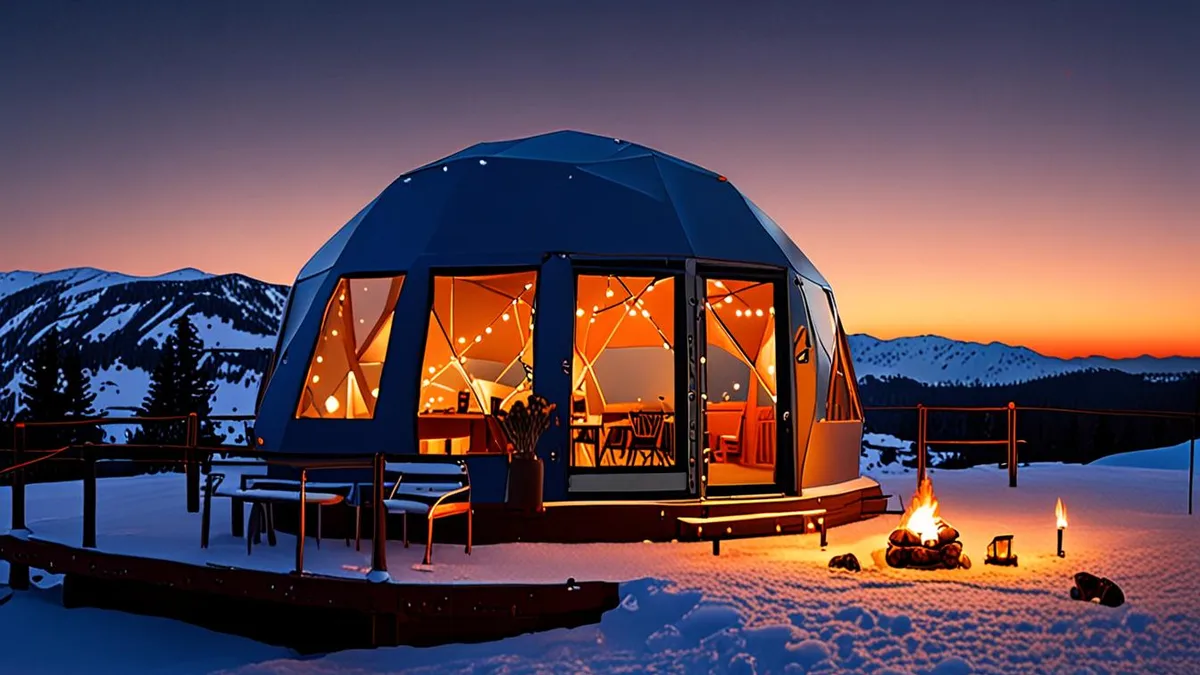
Timing changes glamping prices more than almost anything else. Peak season (June–August) rates run 30–50% higher than shoulder season, which means the exact same safari tent can cost dramatically more in July than in late September. Summer is when families travel and when the weather is most reliable in most regions, so owners charge accordingly.
Weekends follow the same logic. Weekend nights typically cost $30–$80 more than midweek nights, and popular sites often require a two-night minimum on weekends, which pushes the total up further. If your schedule allows a Monday-to-Wednesday stay, you’re often paying noticeably less for the identical unit.
The off-season advantage
Off-season stays (November–March) in mild regions can fall below $100 per night — sometimes even in units that command premium rates in summer. This works best in places with gentle winters: parts of the Southwest, the coastal South, and similar mild areas. In cold-climate regions, off-season means many sites simply close, so check whether a property operates year-round before planning a winter trip.
The trade-off is weather risk. Shoulder and off-season stays can bring rain or chilly nights, so pack layers and confirm whether your unit has heating. If it does, a September or May stay delivers the same experience at a much friendlier price.
Hidden Fees That Inflate Your Glamping Bill
The nightly rate is only part of what you actually pay. Glamping bookings often come stacked with extra charges that never show up in the headline price, and they can add a surprising amount to a two-night stay. Before you click book, scroll down to the fine print, add everything up, and treat that number as your real cost for the trip.
The biggest culprits are fees added at checkout, per-person or per-night surcharges, and on-site extras that feel small in the moment. Cleaning fees and pet fees alone can add $25–$100 to the total bill, which hits hardest on short stays. Some charges are unavoidable, but many can be planned for or avoided entirely. Here are the ones to watch for:
- Cleaning fees: Common on booking platforms and charged per stay, not per night, so they take a bigger bite out of a one- or two-night trip than a week-long booking.
- Pet fees: Many pet-friendly sites charge per night per animal, so a dog-friendly weekend can quietly cost more than the upgrade you skipped.
- Minimum-stay rules: Weekend bookings often require two nights minimum, which doubles the total even if you only wanted one night under the stars.
- Firewood and campfire bundles: On-site bundles are usually marked up compared to buying a bag at a store on the way, so pack your own if rules allow.
- Activity add-ons: Kayak rentals, guided walks and s’mores kits are priced individually and can rival a restaurant meal each day you stay.
A good habit is to calculate the true total, not the nightly rate, before comparing two sites. A tent that looks cheaper per night can easily end up more expensive once fees are included. Read the cancellation policy too, since some sites charge separately for changes or refunds, and check whether linens, towels or heating are included or billed as extras when you arrive.
When and How to Book Glamping for the Best Rate
Glamping prices move with demand just like hotel prices do, and the same tent can cost very different amounts depending on when and where you book it. A little planning goes a long way, especially in popular regions during the busy summer months, when the most sought-after units at well-located sites are often reserved weeks in advance. The good news is that timing is one of the few price factors you can fully control, and it costs you nothing but flexibility. Follow these steps to keep your rate down:
- Book 2–3 months ahead for peak weekends. This is the window when the best availability and rates line up, particularly for national park areas and coastal sites where prime units sell out first.
- Shift to midweek dates when you can. A Tuesday or Wednesday night in the same tent delivers the same experience, often with quieter surroundings and a noticeably lower rate than a Friday or Saturday.
- Target the shoulder season. Dates in May and September usually mean milder crowds and lower prices than the summer peak, while the weather is still pleasant in most regions.
- Compare direct booking against platforms. Booking directly on a site’s own website sometimes skips platform service fees, so check both before committing.
It also pays to sign up for email lists from sites you like, since operators occasionally send early-bird offers or last-minute openings to subscribers first. Some properties post unadvertised deals on their social media pages too, so it can be worth a quick follow before you book. If your dates are flexible, ask directly about midweek or shoulder-season availability; a short email or phone call sometimes uncovers options that never appear on booking platforms. And if a site has a minimum-stay rule on weekends, check whether arriving Sunday instead of Friday lets you avoid it altogether.
The combination of an early booking and a smart date choice is usually worth far more than any single discount code. Lock in the calendar early, then trim the total by choosing quieter nights and shoulder-season windows, and you will often pay noticeably less than the traveler next door in an identical tent.
Ways to Lower Your Glamping Cost Without Losing Comfort
Glamping feels expensive when you book the priciest unit at the busiest time, but comfort does not have to come at the top rate. A few deliberate choices can cut a meaningful chunk off your total while you still sleep in a real bed under canvas. The trick is knowing which upgrades actually change your experience and which ones you are paying for out of habit. Here is where the savings actually are:
- Shared bathrooms instead of en-suite units: Skipping the private bathroom lowers the nightly rate noticeably, and many well-run sites keep their shared facilities spotless, heated and just a short walk from your tent.
- One large family tent instead of two budget units: Splitting a big tent between four people often works out cheaper per person than booking two separate basic tents, and you get a shared hangout space for free.
- Weekday deals: Some operators discount midweek nights to fill empty units, so it pays to ask about weekday rates directly, even in busier months.
- Last-minute off-season discounts: In the cooler months, mild-region sites sometimes slash rates to fill remaining tents, so a spontaneous trip can end up being the cheapest one you take all year.
The key is deciding which comforts matter most to you before you compare listings. If you barely use the kitchenette, a simpler unit with a great location beats a fully loaded one at a higher price. Location is the other lever: a site a short drive from a famous park or coastline often delivers a similar experience for less than one right at the gate. Finally, check what is genuinely included, like bedding, towels, firewood and cooking gear, so you are not paying extra for things another site throws in at no charge.
The Bottom Line on Glamping Prices
So, what does glamping really cost? A night under canvas can run anywhere from $75 for a basic tent to $800 or more at a full-service luxury resort. That huge gap is exactly why the photos never tell the whole story — the price depends on what you actually book.
Three things explain most of the difference: the season you travel in, the type of structure you sleep in, and the hidden fees that sneak onto the final bill. Booking 2–3 months early and traveling midweek keeps costs down, so a dreamy safari tent or yurt is often more affordable than it first appears. If this helped you budget your next stay, leave a comment or share the article with a fellow traveler.