You have a fixed nightly budget and a simple question to answer: does a hostel dorm or a cheap private hotel room give you more value for your money? The hostel vs budget hotel debate comes down to more than the sticker price, and the answer changes depending on where you travel, who you travel with and how long you stay.
This guide breaks the decision into the things that actually matter. We compare real nightly prices, look at what privacy and comfort you get for your money, cover safety and security in both stay types, and weigh social life against quiet nights. We also share when to book to get the best rate and match each option to common trip types, from solo backpacking to city-hopping with a partner. By the end, you should know exactly which one fits your next trip.
Hostel vs Budget Hotel: Price Comparison
On paper, hostels win the price battle almost everywhere. A dorm bed typically costs $10-35 per night in Europe and $5-20 in Southeast Asia. A budget hotel room in the same cities usually runs $40-90 per night in Europe and $20-50 in Southeast Asia. That gap is the reason hostels dominate backpacker routes.
The private room comparison is closer than most travelers expect. A private room in a hostel often costs 30-50% less than a similar budget hotel room, which makes hostels interesting for couples and friends who want a door that locks without paying full hotel rates.
Watch the extras
The nightly rate is not the whole story. Many hostels charge $2-5 for towel rental and $1-3 per day for luggage storage. Over a week, those small fees can add a meaningful chunk to your bill, so check what is included before you book.
If you are two people, do the math per person rather than per room. A single budget hotel room split between two travelers can cost less per person than two dorm beds, and you get a private bathroom as part of the deal.
Privacy and Comfort: What Each Stay Type Offers
A dorm room usually has 4-12 beds, which means shared bathrooms, strangers coming in at any hour and little control over noise or lights. Someone will rustle plastic bags at 6 a.m. and someone else will come back at 2 a.m. Earplugs and an eye mask help, but they only go so far.
Budget hotels give you the basics of comfort: a lockable private room, an en-suite bathroom and daily housekeeping. You control the temperature, the lights and the wake-up time. For light sleepers or anyone who needs to be functional the next morning, that predictability is worth real money.
The middle option: hostel private rooms
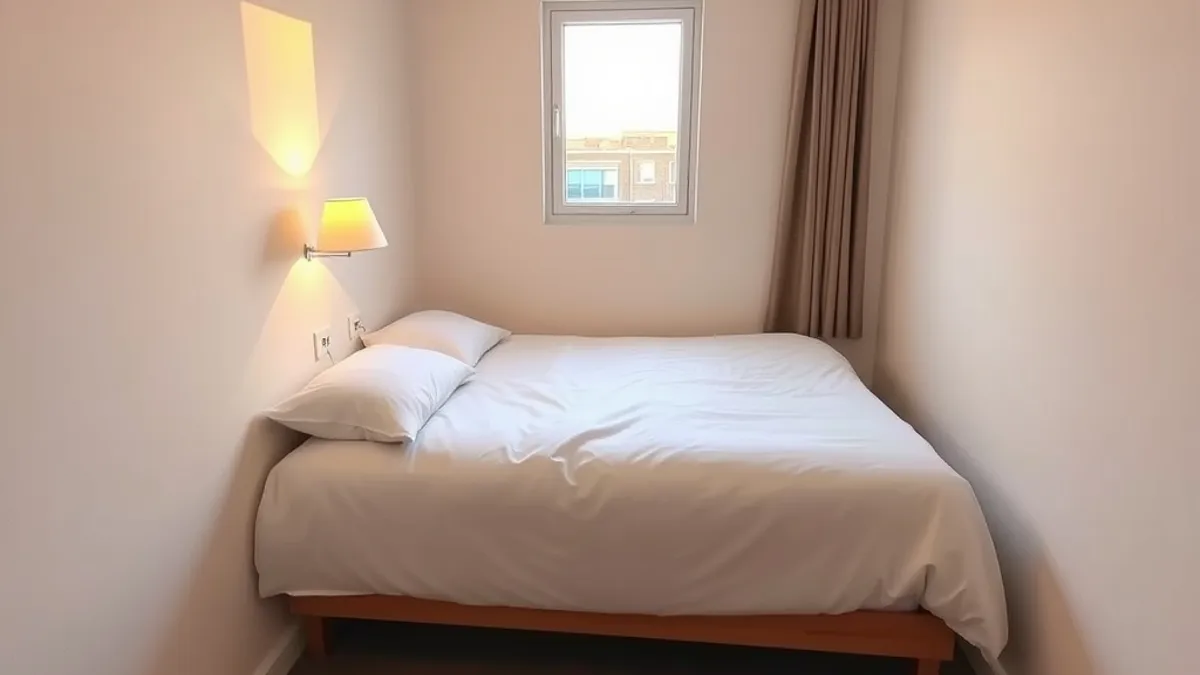
A private room in a hostel splits the difference. You get privacy at a lower price than a comparable hotel, though usually with fewer amenities. Expect simpler bathrooms, limited or no housekeeping, and a room that may sit above a common area. It is a fair trade if your priority is a private door at a hostel price.
If you do book a dorm, choose a 4-6 bed room over an 8-12 bed room. Smaller dorms balance price and quiet better, with fewer people sharing one bathroom and fewer chances of a snorer in the room.
Safety and Security in Hostels and Budget Hotels
Both stay types can be safe, but the security features differ. In hostels, your belongings are your responsibility, so the quality of lockers and access control matters more than anything on the amenities list. Budget hotels shift more of that to the property itself, with front desk staff and in-room safes doing much of the work.
Before booking either, read recent reviews with a specific filter in mind. Search for mentions of theft, door locks and how safe the street feels at night. A hostel can have great ratings for atmosphere while still having flimsy locker locks, and a cheap hotel can sit on a street that empties out after dark.
For hostels, these features are worth prioritizing:
- Keycard access to floors and rooms: this keeps non-guests out of sleeping areas, which matters more in party-heavy neighborhoods than any lock on a locker.
- Lockers that fit a full backpack: many hostels offer only small lockers for valuables, so check reviews or photos to confirm your whole bag fits, and bring your own padlock just in case.
- 24-hour reception: this means you can check in late after a delayed bus and there is always staff on site if something goes wrong overnight.
- Female-only dorms: a common option at many hostels and worth filtering for when booking, since it adds a layer of comfort for solo female travelers.
None of these features is guaranteed at every property, so treat them as a checklist rather than an assumption. Five minutes of review reading usually tells you which hostels and hotels take security seriously.
Social Life vs Quiet Nights
If your trip is as much about the people as the place, hostels have a clear edge. Shared kitchens, common rooms, organized events and free walking tours make meeting other travelers almost effortless. You can cook dinner next to someone from another continent and end up joining their group for the evening. Many hostels also run family dinners, quiz nights or pub crawls, so there’s usually something happening even if you arrived alone that morning.
How hostels help solo travelers save even more
That social setup isn’t just fun, it’s practical. Cooking in a hostel kitchen instead of eating every meal out can stretch a tight budget significantly, especially in expensive cities. Buying groceries with a roommate and splitting a few dinners is one of the easiest ways solo travelers cut their daily food costs. Some hostels even offer free breakfast or coffee in the morning, which adds up over a week.
When a budget hotel is the better fit
Budget hotels make more sense if you’re traveling as a couple, if you’re a light sleeper, or if you have early tours, flights or hikes planned. You won’t tiptoe around a dark room at 5 a.m. trying not to wake seven strangers, and you won’t be the one getting woken up either. After a long travel day, having your own quiet space to decompress can matter more than meeting people.
A note on hostels and rest: not all of them are party hostels. Some properties have designated quiet floors, quiet hours or even curfews, and family-friendly hostels tend to be calmer by nature. Before booking, read the house rules on the listing and scan recent reviews for mentions of noise. If a good night’s sleep is non-negotiable, look for smaller dorms or a private room in a quieter hostel rather than the liveliest spot in town.
When to Book and How to Get the Best Rate
Timing matters just as much as the stay type you pick. The same dorm bed or hotel room can swing wildly in price depending on when you book and how flexible your rate is. A little planning goes a long way, especially if you are traveling in peak season when beds in popular cities fill up fast.
- Book 2-3 months ahead for summer travel. High season runs from June through August, and this is when the lowest dorm and hotel rates disappear first. Locking in your bed or room two to three months in advance is the most reliable way to secure the best price before demand pushes rates up.
- Compare the same dates across multiple platforms. Hostel booking sites and hotel aggregators do not always show identical prices for the same property. Differences of 10-20% between platforms are common, so it pays to check two or three sites before committing. Search the exact same dates each time to make the comparison fair.
- Read the cancellation terms before you pay. Flexible rates on budget hotels often cost 10-15% more than non-refundable ones. If your plans are solid, the cheaper non-refundable rate can save real money. If your dates might shift, the flexible rate is usually worth the small premium for peace of mind.
- Use low season to your advantage. From November through March in Europe, demand drops and both hostels and budget hotels frequently offer walk-in and last-minute deals. If your schedule is flexible, you can often show up and negotiate or book just a day or two ahead at a discount.
Whichever stay type you choose, the booking strategy is similar: plan early for peak months, stay flexible for the off-season, and never accept the first price you see. Spending twenty minutes comparing options and reading the fine print on cancellations can easily save you the cost of an extra night or two. Check current rates close to your travel dates, since prices and deals change constantly.
Which Should You Choose by Trip Type
If you’re a solo backpacker trying to keep daily spending between $20 and $30, hostels are usually the obvious pick. A dorm bed often leaves enough room in the budget for food and a local transit pass, and the social side comes free: someone is always heading out to explore, so you rarely have to plan activities alone. On a tight daily allowance, that combination of low cost and instant company is hard to beat.
Traveling as a pair changes the math. Two dorm beds can easily add up to what a simple private room costs, sometimes more. For couples, a budget hotel means sharing a bathroom with each other instead of a floor of strangers, and friends of two get to split a room fee rather than pay individually for bunks.
Long trips wear you down, and sleep quality matters more on week three than on night one. If your journey stretches past two weeks, alternating hostels with budget hotels or booking hostel private rooms can make a real difference in energy levels. Many travelers on month-long routes treat private rooms as recovery stops between dorm stretches.
Itineraries with lots of moving also shape the decision, though the best pick depends on how you travel:
- Fast city-hopping by train or bus: a hostel a short walk from the station cuts the cost of taxis and transfers with heavy luggage, and late arrivals feel safer with a quick walk to bed.
- Fewer stops with more sightseeing: a budget hotel near the main attractions saves 30-60 minutes of daily commuting, which adds up to an extra museum or neighborhood explored on a short stay.
- Mixed itineraries: book hostels in transit-heavy cities and hotels in the destinations where you actually spend full days sightseeing.
The Bottom Line
So which one wins? If you are a solo traveler watching every dollar, hostels are hard to beat: in Europe, a night in a dorm typically runs $10-35, and the built-in social life is something no hotel can copy. If you want privacy, daily housekeeping and a full night of sleep, a budget hotel at $40-90 per night delivers exactly that.
For the middle ground, compare hostel private rooms, which often cost 30-50% less than similar budget hotel rooms. Your best value also depends on how far ahead you book, since reserving 2-3 months ahead usually secures the lowest rates. Match the choice to your trip length, your group size and your budget, and you will get the most for your money. Have a story from a hostel or a cheap hotel? Share it in the comments or pass this article along to a travel friend.