Most travelers assume a safari starts at $1,000 a night, and that number alone keeps the trip on the wish list for years. The reality is friendlier: a huge share of that headline price pays for plunge pools, private aircraft transfers and designer interiors, not for the animals. The wildlife outside the tent doesn’t know what you paid for it. A safari lodge on a budget can put you in the same ecosystem, on similar game drives, for a fraction of that cost.
This guide walks you through the decisions that actually move the price. We’ll break down what a budget safari lodge genuinely costs per person, why traveling in the green season cuts rates sharply, and which parks and lodge types keep money in your pocket. You’ll also learn what to check before paying, how to book smart, and a final checklist to keep yourself honest. Fewer surprises, more animals.
What a Safari Lodge on a Budget Actually Costs
Let’s start with the number that matters. Budget and mid-range safari lodges typically run $100–250 per person per night, and that rate usually includes meals and shared game drives. That’s the core safari experience: a bed near the animals, good food after a dusty morning, and a guide who knows where the lions were last seen. Everything above that price point is a choice, not a requirement.
What the luxury premium actually buys
Luxury lodges commonly charge $600–1,500+ per person per night for a comparable location. Some of that money does buy something real, such as access to a private concession where vehicles can go off-road and crowds are thinner. But much of it buys plunge pools, spa treatments, wine lists and architecture. The elephants don’t care about the thread count.
Before you open a single booking page, decide your true per-person nightly ceiling and write it down. Lodge websites quote rates that balloon quickly once extras are added: park entry fees, drinks, laundry and gratuities. Park and conservation fees are charged at most reserves and they change from year to year, so check the current rate with the park or your operator before you budget. A lodge that looks comfortably within range can quietly overshoot your ceiling by checkout. Knowing your limit helps you compare lodges on the same terms and walk away from the ones that only fit your budget on paper.
Travel in the Green Season to Cut Rates
Timing is the single biggest lever on price, and most first-time safari travelers don’t touch it. During the green season, which runs roughly November–March in East Africa and November–April in much of southern Africa, the same lodges price 20–40% lower than they do in high season. Same tents, same guides, same waterholes, sometimes the same staff-to-guest ratio with fewer people around.
The trade-offs, honestly stated
You’ll deal with afternoon rain showers, and vegetation is thicker, which can make animals harder to spot at a distance. On the flip side, the light is softer, the landscapes photograph greener, and this is when newborn animals appear and birdlife peaks. Many photographers actually prefer green season conditions once they’ve tried them.
There’s a booking bonus too. High season trips, especially in June–October, typically need 6–12 months of lead time to secure a good lodge at a decent rate. Green season stays can often be booked just 2–3 months out, which makes a safari possible even when you decide on shorter notice. If your dates are flexible, check what the same lodge charges in both seasons before you commit to anything.
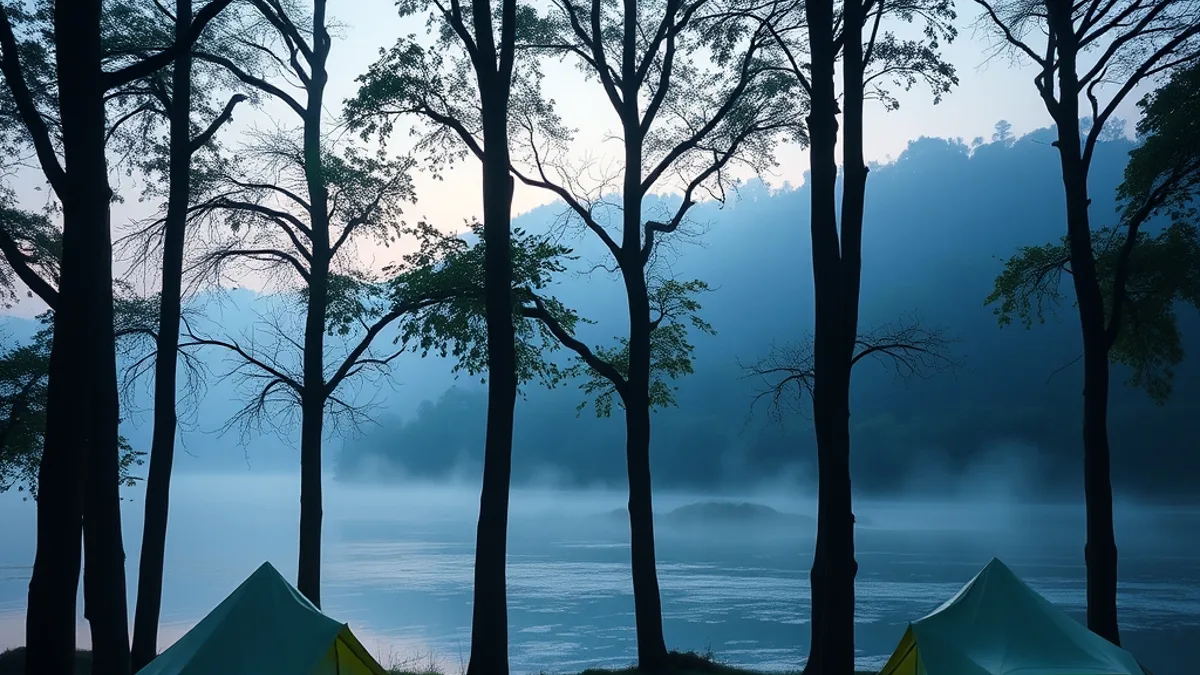
Pick Parks and Regions Where Prices Stay Low
The biggest names in safari carry the biggest price tags, and not always because the wildlife is better. The Masai Mara and the Serengeti are famous for good reason, but that fame is built into every room rate. Lesser-known reserves and conservancies nearby often offer very similar game viewing, with lodges priced for travelers who never cared about the name on the map. Before you default to a headline park, check what borders it — the animals often don’t know the difference.
Location relative to the gate matters just as much as the region. Staying just outside a park gate rather than inside the reserve can cut accommodation costs by 30–50%, and in most cases you’ll enter the park at opening time anyway, which is when animals are most active. You trade a sunrise view over the savanna for a short morning drive, and most budget travelers find that trade easy to make. Big self-drive parks such as Kruger go one step further: you rent a car, drive yourself, and skip expensive guided-drive packages entirely.
A few things to weigh when choosing your region:
- Self-drive savings add up fast. In parks like Kruger, self-catering rest camps can bring your total down to roughly $50–100 per person per night, since you’re paying for a cottage and groceries rather than a full-service lodge.
- Gate towns exist for a reason. Communities outside major park entrances have built their whole economies around safari travelers, so you’ll find cheaper beds, fuel, and well-stocked shops for self-caterers.
- Neighboring reserves often share ecosystems. Wildlife doesn’t recognize park boundaries, so animals that move between a famous reserve and adjacent conservancies can be seen from the cheaper side too.
Choose the Lodge Type That Matches Your Budget
Not every safari lodge comes with a private plunge pool and a nightly rate to match. Once you understand the different types of accommodation on offer, you can often cut your costs dramatically without giving up the wildlife. The trick is matching the lodge style to what you actually need: a good bed, safe accommodation and reliable access to animals. Everything else, from infinity pools to spa menus, is optional padding on the bill.
Here are the three budget-friendly options worth comparing before you book anything:
- Self-catering rest camps and cottages. These are usually the cheapest way to sleep inside a park. You cook your own meals, so shop for groceries at a supermarket en route rather than at the small shop inside the park, where prices run noticeably higher. Bring a cooler box for meat and fresh produce, and plan simple one-pot dinners that don’t require a full kitchen.
- Community-owned and conservancy camps. These sit below private-lodge pricing while still including guided drives, and your fees typically support local communities and conservation projects. Ask the operator who owns the camp and what percentage of your payment stays local, because the answer varies widely.
- Tented camps. In the same area, a tent usually costs less than a brick-and-mortar lodge, and the canvas walls mean you hear hippos and hyenas at night. Check that the tent has proper mesh screens and a solid roof over the bathroom if you are visiting during the rains.
One practical tip: many self-catering camps fill up with local families over school holidays and long weekends, so reserve early even if the rate looks low. And if you are new to self-catering safaris, start with a two-night stay to see whether cooking after a long game drive suits you before committing to a full week. Some travelers find they love the routine; others decide a cook or restaurant is worth the extra spend. Better to learn that on a short trip than on a two-week itinerary.
Check What’s Included Before You Book
A lodge can look like a bargain online and still end up costing more than a mid-range option nearby once the extras are added. Before you pay any deposit, get clear answers on what the rate actually covers. The three areas that catch travelers out most often are game drives, gate distance and on-site facilities.
Game drives and gate distance
Some lodges include two shared game drives a day in their rate; others bill each drive separately, which can add $50–150 per person per day if you join both morning and afternoon drives. Ask in writing exactly what is included, whether drives are shared or private, and whether night drives are possible at all, since some parks only allow drives from lodges inside the reserve.
Gate distance matters just as much. A lodge 15 minutes from the park gate beats a cheap one two hours away once you count the time lost getting in and out each day. If you are staying outside the reserve, ask what time the gate opens and whether the lodge can enter before the day-trippers queue builds up.
Power, Wi-Fi and the tent itself
Ask how the lodge generates power and whether there are sockets available for charging cameras and batteries during the day, not just at mealtimes. Solar-powered camps sometimes switch off generators at night, which affects fans and charging. For a fuller rundown of what to check, see our guide to power, Wi-Fi and bugs at jungle lodges.
Finally, question the tent itself. Confirm that windows are netted, that there is a mosquito net over the bed, and whether the camp sprays or provides repellent. A canvas tent with gaps around the zipper is a very different experience from one with sealed mesh panels, and it is much easier to ask before booking than to complain after dark.
How to Book a Safari Lodge on a Budget
Once you have shortlisted a few lodges, how and when you book can matter as much as which lodge you pick. Safari rates are not fixed the way hotel rates often are, and a couple of emails can shave a meaningful amount off your total. Work through the steps below in order, and keep notes as you go.
- Match your booking timeline to the season. The busier dry months fill up far in advance, so contact lodges as early as you can if your dates are fixed. Green season stays are far more flexible and can often be arranged just 2–3 months out.
- Compare direct rates against booking platforms. Check the lodge’s own website price against the major booking platforms, since they do not always match. Note which one includes meals and drives so you are comparing like with like.
- Email the lodge directly. Once you know the going rate, write to the lodge and ask about long-stay discounts, last-minute availability or resident rates. Small camps often have flexibility that large platforms do not show.
- Cap your stay at 3–4 nights. That is usually enough time for the big sightings, and extra nights rarely add much beyond what you have already seen.
- Put leftover budget toward a second location. Two shorter, cheaper stays in different parks almost always beat one long stay in a single reserve, both for variety and for your chances of sightings.
Keep a simple record of every quote you receive, including what each one covers, so you can compare offers fairly. A short spreadsheet or even a notes app works fine. Ask each lodge to confirm the total in writing, including park fees and any surcharges, before you commit.
Finally, reconfirm your booking a week before arrival, especially if you have arranged anything custom such as an early gate entry or a private drive. Carry a copy of your confirmation on your phone, and a printed backup if you have one, in case the camp has no reception when you arrive.
Your Budget Safari Checklist
That $1,000-a-night safari you’ve seen advertised? Most of that price buys extras, not wildlife. The animals don’t know which side of the fence you slept on, and a lodge at $100–250 per person per night usually serves the same meals and the same game drives as its luxury neighbor. Set your per-person nightly ceiling before you browse, and treat anything above it as paying for plunge pools and design.
The savings stack up quickly. Favor green season dates, lodges just outside the gates, and self-catering or conservancy camps. Before paying, verify that game drives are included, check the drive time to the nearest gate, and ask about power for charging cameras. Book 6–12 months out for high season, and keep green season trips flexible. If this guide helped you plan a safari on a budget, leave a comment or share it with a fellow traveler.