Glamping looks expensive on Instagram, but the same dome or cabin can cost half as much if you simply pick the right weeks to book. A safari-style tent that photographs beautifully in July might sit empty in November, and operators know it. The trick to affordable glamping in the USA is not finding a secret site, it is timing your stay around demand.
In this guide, we break down when prices peak, which seasons offer the deepest discounts, and why some regions flip the calendar entirely. You will also learn how weekday stays can shave money off your bill, how far ahead to book for the best rate, and what to check before committing to a cold-weather deal. By the end, you should be able to match your destination, your dates and your budget without giving up the comforts that make glamping worth it in the first place.
When Is Glamping in the USA Most Expensive?
The simplest way to overspend on a glamping trip is to book during peak season, and in most of the country that means June through August. School holidays drive family demand, and families are exactly the guests who book multi-night stays in tents, cabins and domes with room for everyone. When every unit at a site fills up for weeks at a time, operators have no reason to discount.
Holiday weeks push prices even higher
Summer is not the only expensive stretch. Holiday weeks like Thanksgiving, the Christmas-New Year period and Memorial Day push rates to their yearly highs, often above what the same unit costs on an ordinary summer weekend. These dates sell out early because travelers plan around them, so even less-known sites can charge a premium.
So what does peak pricing actually look like? At popular sites, nightly rates commonly reach $250-500 during these periods. That can cover a well-equipped tent with a real bed and private bathroom, but it is a big jump from what the same unit costs in quieter months. If your dates are flexible, simply avoiding school holidays and major vacation weeks is the single easiest way to bring that number down.
The Cheapest Seasons to Book a Glamping Stay
The deepest discounts in most US regions come during the off-season, which generally runs from November through March. During these months, rates can drop 30-50% below peak prices because demand falls off sharply once the school year is in full swing and the weather cools. A unit that commands top dollar in July often falls to $100-200 a night in the colder months, which is a genuine difference in what you pay for the same bed, stove and view.
Shoulder seasons: the balance point
If sleeping in a tent in February does not appeal to you, the shoulder seasons of April-May and September-October are the sweet spot. Rates typically land in the $150-300 range, below peak but above the winter floor, and the weather is usually still pleasant enough for campfires, hiking and time outside. You trade some savings for comfort, but many travelers find the trade worthwhile.
September deserves a special mention. In most US regions, midweek September stays combine lower rates with warm weather, giving you something close to a summer trip at a shoulder-season price. April and May work similarly in many areas, though spring conditions vary more by region. Whichever window you choose, check the site’s own calendar, since individual operators set their seasons slightly differently.
Regional Exceptions: Where Winter Is Actually Peak Season
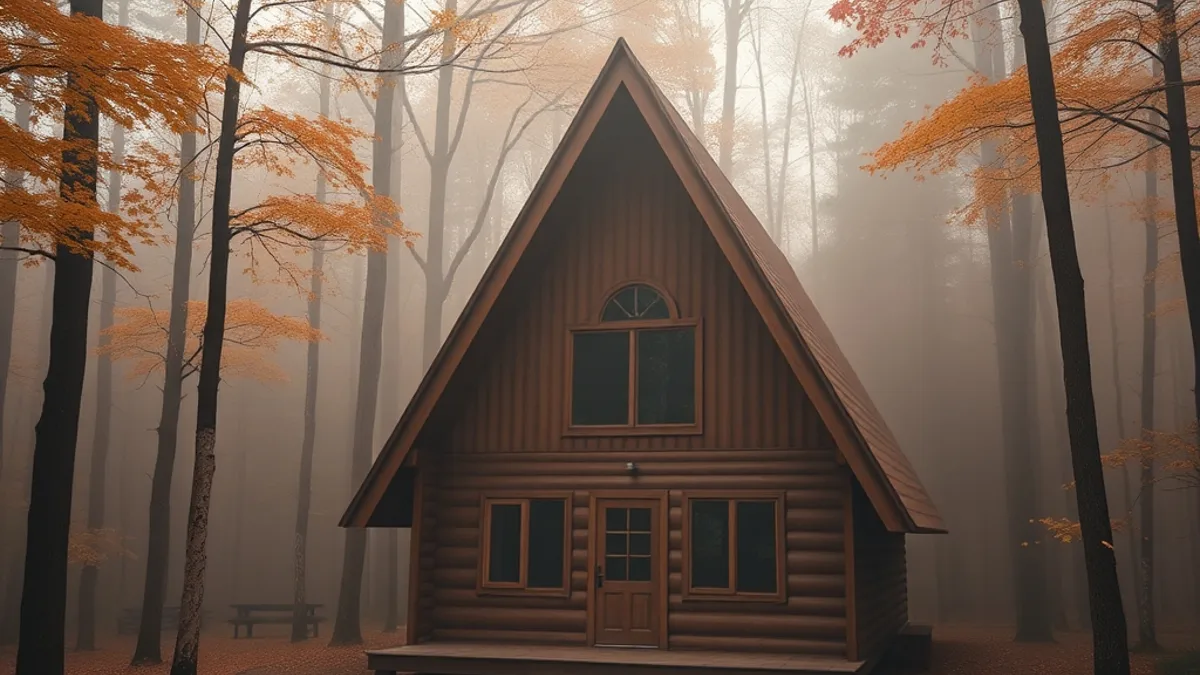
Not every region follows the same pricing calendar, and assuming it does can cost you money. Desert destinations like Arizona, Utah and Joshua Tree are priciest from November through March. That is when temperatures are comfortable for hiking and stargazing, so demand surges exactly when the rest of the country is in its off-season. A desert dome that would be a bargain in, say, the Midwest in January can be one of the most expensive bookings of the year in the Southwest.
When to book the desert instead
In these regions, aim for the summer off-season or late-spring shoulder weeks instead. Summer in the desert is hot, no question, but operators discount heavily to fill units, and many sites add shade structures, pools or air conditioning to make it workable. Late spring sits in between: warm days, cooler evenings and prices that have not yet climbed to winter highs.
Coastal and mountain sites follow the opposite calendar. They are cheap in winter and expensive in summer, since snow and storms keep guests away in the cold months while warm weather draws crowds in July and August. The practical takeaway is simple: before you pick dates, decide on a region first, then book that region’s low season. Matching the destination to the season matters as much as the calendar itself.
Weekdays vs Weekends: The Fastest Way to Save
If you can only make one change to how you book glamping trips, make it this one: shift your nights to the middle of the week. Most glamping sites price Friday and Saturday nights at a premium because that is when demand from short-break travelers peaks. Monday-Thursday nights often cost 15-25% less than those weekend stays, and the discount applies to nearly every unit type, from safari tents to cabins.
The trick to keeping the weekend feeling is how you structure the trip. Arriving on a Sunday means you get the quieter, cheaper nights that follow, while your arrival day still carries some of that relaxed end-of-weekend atmosphere. A Sunday-to-Thursday pattern gives you four or five nights at weekday pricing instead of paying the weekend surcharge twice.
September is the sweet spot for this strategy. Midweek stays in September often combine low rates with warm weather across most US regions, since summer crowds have gone home but the heat has not. A Tuesday night in a tent that would have cost peak prices in July can feel like a bargain upgrade.
- Ask about extended-stay discounts, since some operators reduce the nightly rate further once you book four or more consecutive weekdays.
- Check whether the on-site amenities, like wood-fired hot tubs or communal kitchens, run on reduced schedules early in the week before you commit.
- Pair a midweek booking with a Friday-night finish only if the weekend rate is modest, otherwise end your trip Thursday and travel home in the evening.
- Remote sites with limited staff sometimes offer self-check-in midweek, which can mean more privacy as well as lower prices.
How Far Ahead to Book for the Best Price
Glamping has a booking rhythm, and it runs earlier than most travelers expect. Unlike a hotel room, a small glamping site might only have a few units on the property, so there is rarely a spare dome to hand you if yours is taken. The most photogenic accommodations, geodesic domes, treehouses and A-frame cabins with the best views, tend to be the first to disappear, especially at intimate sites with only a handful of places to sleep. Planning your lead time around the season you want is the simplest way to avoid paying more for whatever is left.
- For shoulder-season dates in April-May or September-October, book 2-3 months ahead. That window is long enough to lock in availability at lower rates, but short enough that operators are still eager to fill the calendar and unlikely to have raised prices.
- For peak-season trips in summer or over holiday weeks, work with a 4-6 month lead time. Popular sites can be fully booked well before the season starts, and the remaining units often carry the highest rates of the year.
- For off-season dates from November through March, you have more flexibility. Last-minute deals do appear as operators try to fill empty domes and tents, so it can pay to check rates a week or two out. Just remember that in desert regions like Arizona, Utah and Joshua Tree, winter is actually the busy season and these shortcuts do not apply.
- Whenever your dates overlap a holiday or a major local event, ignore the general rules and book as early as you can, because those weeks sell out fastest regardless of season.
One more habit that saves money: once you have booked, check the rate for your dates occasionally before cancellation deadlines. If prices drop, a polite message asking to match the lower rate often works at smaller, owner-run sites. It costs you nothing to ask, and the worst outcome is a friendly “no.” Booking early matters at small sites, but so does staying alert after you book, since glamping prices move around more than most travelers realize.
What to Check Before Committing to an Off-Season Deal
An off-season price tag only counts as a deal if the experience still works. Winter glamping can be wonderful, waking up in a heated dome with frost on the canvas and coffee on the stove, but it can also mean a cold night in a tent that was never designed for freezing temperatures. Before you pay for any discounted stay, dig into the details that matter most in the colder months.
Start with the practical questions. Ask directly how the unit is heated, whether the insulation is real or just a canvas layer, and what happens to water access when temperatures drop. Some sites scale back facilities in winter, shutting off outdoor showers, closing bathhouses or leaving certain units closed entirely, and a cheap rate on a unit with no running water is not always the bargain it looks like.
Then look at the booking terms and what your money actually buys. Minimum-stay requirements often appear around holiday and event periods, turning a one-night rate into a three-night commitment. And because glamping prices vary widely in what they include, comparing the total package matters more than comparing nightly rates alone.
- Ask whether the rate is per person or per unit, since some sites add guest fees that change the math for couples versus families.
- Check if linens, blankets and extra bedding are provided in winter, or whether you are expected to bring your own sleeping bags.
- Find out if meals, firewood, kayaks or guided activities are bundled into the price, because adding these separately can erase the discount you just scored.
- Confirm the cancellation policy for weather-related closures, since off-season storms occasionally force sites to shut down with little notice.
Wrapping Up: Timing Your Budget Glamping Trip
Glamping may look pricey on Instagram, but the same dome or cabin often costs half as much if you simply pick the right weeks. The cheapest window in most regions runs November through March, when rates can drop 30-50% below peak, while desert destinations flip the pattern and are cheapest in summer. Pair the right region with the right season and the savings add up fast.
Two more levers make a real difference: booking Monday-Thursday nights instead of weekends can shave another 15-25% off the nightly rate, and reserving 2-3 months ahead locks in shoulder-season prices before the best units go. Match the calendar to your destination, check what is actually included, and that dreamy $500 tent suddenly looks a lot more like a $150 one. If this helped you plan a cheaper trip, leave a comment or share the article with a fellow traveler.